Ask any localization manager what eats their week and the answer rarely involves the actual translating. It is the file wrangling: exporting text out of a design file, reformatting it, chasing missing context, and reimporting it without breaking the layout.
Where Translation Workflows Quietly Break
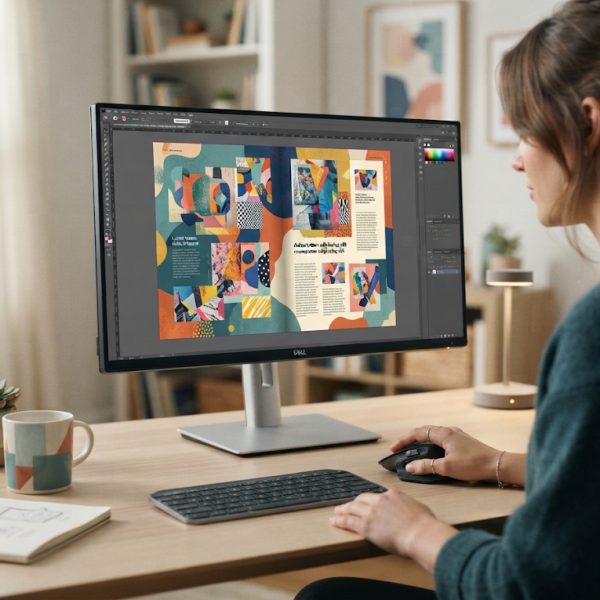
Desktop publishing files cause more friction than almost any other format. A brochure built in a layout program often has text scattered across dozens of linked frames, and pulling that copy out for translation without a proper tool means someone spends hours copying, pasting, and praying the formatting survives the round trip.
That friction is exactly why purpose-built plugins for layout software have become standard in professional studios rather than a nice extra. They pull editable text straight out of a design file, hand it to a translator in a clean format, and drop the finished copy back into the original layout automatically.
The Case for a Real CAT Tool
A CAT tool does more than store translated sentences for reuse, though the memory feature alone saves serious time on repetitive content like manuals or product catalogs. A well built editor also flags inconsistent terminology, checks formatting tags automatically, and lets several translators and reviewers work on the same project without emailing files back and forth.
Teams that skip this step usually notice the cost later, in missed deadlines and in translators quietly re-translating sentences that were already handled in a previous project because nothing was stored or searchable.
Choosing a Translation Platform That Actually Fits
Not every translation platform suits every team. A five-person in-house localization group has different needs than an agency juggling forty language pairs and a rotating pool of freelancers. The questions worth asking before committing to a system include how well it integrates with existing design and content tools, whether it supports the file formats the team actually uses, and how much onboarding a new translator needs before becoming productive.
The right CAT tool saves translation teams hours mostly by remembering decisions, so nobody has to re-solve a phrase that was settled six months ago. Its weakness is that it remembers bad decisions just as faithfully as good ones. In swedish to english translation this matters because one clumsy rendering of a common administrative term can propagate through an entire memory before a reviewer ever sees it.
Cost matters too, but the cheapest platform on paper often turns out to be the most expensive once lost hours and rework get added up.
What Good Integration Looks Like in Practice
The best setups are close to invisible. A designer finishes a layout, exports for translation with two clicks, and gets a fully formatted, translated file back without touching a single text frame manually. Reviewers can compare source and target side by side, catch a mistranslated headline before print, and approve the file the same day it arrives.
That kind of speed used to be reserved for large agencies with custom-built pipelines. Cloud-based platforms and DTP-aware CAT tools have brought it within reach of much smaller teams, which is quietly reshaping how fast a multilingual campaign can actually launch.
A Small Investment With a Fast Payback
Switching tools mid-project feels disruptive, which is why many teams put it off long after the old workflow has clearly stopped working. The teams that make the change early tend to report the same thing: fewer late nights before a launch, fewer formatting fire drills, and translators who spend their time translating instead of untangling broken files.