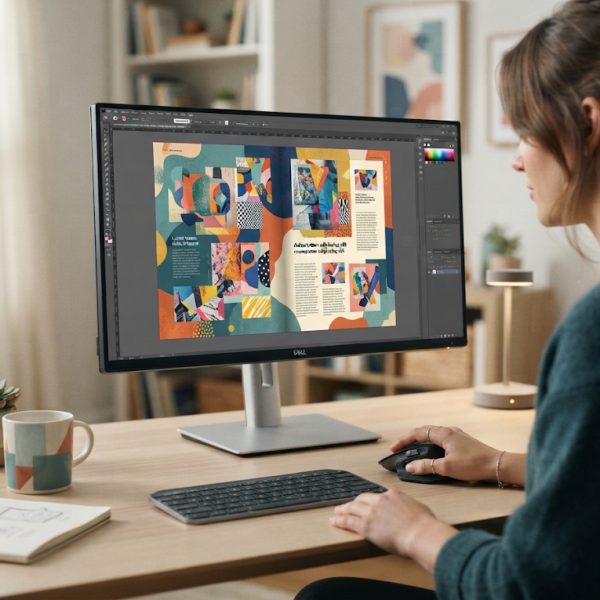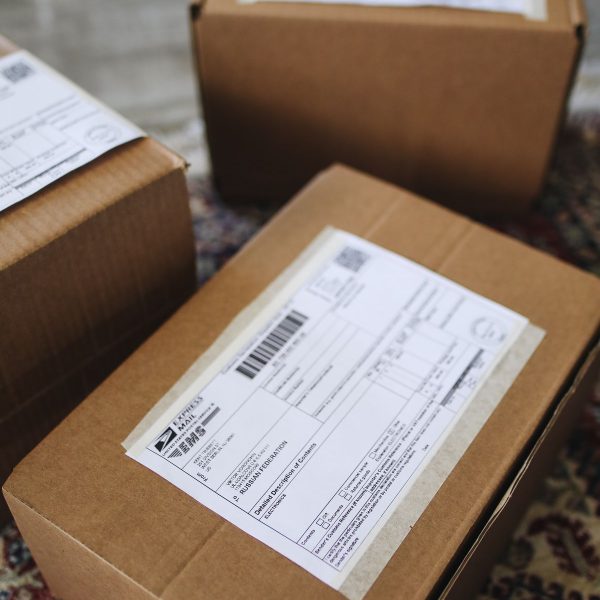
Managing documents that combine images, tables, charts, headers, footers, and columns in multiple languages is a serious challenge. When companies expand into new markets, they often discover that translating words is only half the work. The visual structure, branding, and formatting of their documents must survive the translation process intact. This is where professional document translation services step in, ensuring that complex layouts remain clear, consistent, and publication-ready across languages and regions.
1. Analyzing the Original Document Structure
Complex layouts demand specialized technical translation services that preserve both content and design. Engineering drawings, manuals, and specifications require precise handling of text expansion and visual elements. Professional translators with DTP expertise ensure your documents remain accurate and visually consistent.
Before any text is translated, professional linguists and desktop publishing specialists carefully analyze the source document. They identify every visual and structural element that might be affected by translation: multi-column layouts, layered graphics, captions, call-out boxes, sidebars, footnotes, cross-references, dynamic fields, form fields, and hyperlinks. This initial audit helps determine the best way to preserve the look and feel of the original document while adapting it to a new language and possibly a new writing system.
2. Extracting Text Safely from Complex Layouts
Complex documents are rarely linear. Text is often embedded in diagrams, diagrams are embedded in frames, and those frames may be grouped with images. Professional services rely on specialized translation software and layout tools to extract translatable text accurately, without disturbing the design. They work within formats such as InDesign, FrameMaker, PowerPoint, and advanced PDF editors to pull out text layers while leaving visual elements in place. This prevents accidental shifts in alignment, spacing, or image placement that could break the design.
3. Selecting the Right Team for Multilingual Layouts
When a project involves different alphabets or writing directions, translation providers match linguists and layout specialists with the appropriate expertise. For example, teams handling english to russian translation must be familiar with Cyrillic characters, hyphenation rules, and common line-length issues that occur when moving from English to Russian. This ensures that the translated text fits naturally into existing designs without manual trial-and-error at every step.
4. Adapting Layouts to Language Expansion and Contraction
One of the biggest technical issues in document translation is text expansion or contraction. Some languages take up more space than others when expressing the same idea. For example, content may grow significantly when converting from English to other languages, or it may shrink when moving in the opposite direction. Document translation specialists anticipate this and adjust text boxes, column widths, font sizes, and spacing. They may slightly modify paragraph styles or line breaks to keep the layout balanced and maintain a professional, readable appearance.
5. Preserving Branding and Visual Identity
Global brands rely on consistent visual identity across all markets. Document translation services pay close attention to corporate style guides, brand color schemes, logo usage rules, and typography guidelines. When working with complex layouts, they ensure that fonts, heading hierarchies, logo placement, and color-coded sections remain aligned with the brand’s identity. If fonts used in the original document do not support new language characters, they recommend suitable alternatives that maintain the spirit of the brand while displaying the new script correctly. Reading real success stories reminds us that setbacks are usually part of the journey.
6. Handling Tables, Charts, and Infographics
Highly structured content such as tables, charts, and infographics requires careful handling. In tables, translated text may no longer fit neatly into cells, so column widths and row heights may need adjustment. Charts, statistics, and axis labels must be translated without distorting the proportions or alignment of the visual elements. Infographics combine text and visuals in creative ways; translation services often need to edit the original design files so labels, legends, and captions retain their intended positions and visual hierarchy after translation.
Complex layouts fail in translation for the same reason interfaces fail in the field, which is that nobody watched a real person try to use them. Expanded text, reflowed tables and broken hierarchies are obvious in hindsight and completely invisible in a review meeting. It is the same argument that makes usability testing worth the effort on any document or product.
7. Managing Right-to-Left and Bidirectional Scripts
When documents must be translated into right-to-left languages or into languages that mix scripts, layout complexity increases. Professional services reconfigure column orders, mirror diagrams where necessary, and adjust alignment so that the overall design makes sense in the reading direction of the target audience. Navigation elements, page numbers, and headers may need to move to different positions, and the layout team ensures that these changes remain consistent across long documents such as reports, manuals, and catalogues.
8. Rebuilding PDF and Scan Layouts When Source Files Are Missing
Sometimes clients can only provide PDFs or even scanned documents. In such cases, document translation services may need to reconstruct the layout from scratch. They use optical character recognition tools to extract text and then rebuild the structure in a layout program, closely matching fonts, spacing, and graphics. After translation, they deliver a new file that replicates the original design as closely as possible, but with fully editable layers and correctly formatted multilingual content.
9. Applying Consistent Styles Through Translation Memory
To keep formatting consistent across large or recurring projects, translation services rely on translation memory tools and style templates. These technologies store approved translations and formatting rules so headings, bullet types, labels, and recurring phrases remain uniform across sections and future updates. For complex layouts that will need periodic revisions, this approach significantly reduces the risk of style drift, layout inconsistencies, and formatting errors when new content is added.
10. Performing Multistage Quality and Layout Checks
After translators and desktop publishing specialists complete their work, the document undergoes multiple rounds of quality control. Linguists review the wording in context, checking for truncated sentences, misplaced text, or broken references. Layout experts check page breaks, table integrity, image alignment, and spacing across the entire document. Finally, a pre-press or pre-delivery review confirms that the file opens correctly, fonts embed properly, links function, and all pages display as expected in the final format.
Why Professional Layout Handling Matters in Translation
When documents include sophisticated visual structures, professional translation is not just about language accuracy. It is about preserving clarity, usability, and brand integrity across every page. Document translation services combine linguistic expertise with advanced layout skills and specialized tools to maintain complex designs while adapting texts to new audiences. For businesses that rely on multilingual manuals, marketing materials, legal files, and technical documentation, this integrated approach ensures that every version of a document looks polished, navigable, and ready for immediate use in any market.